What is Pechuga Mezcal?
To most people, the concept of pechuga mezcal sounds bizarre. A raw chicken or turkey breast suspended inside a copper still during the final distillation of mezcal? It defies modern logic. But in the palenques of Mexico, Mezcal de Pechuga is not a gimmick. It’s a centuries-old production method that results in the most complex expression of any agave spirit.
To be clear, pechuga is not an everyday pour. It is a ceremonial spirit, traditionally produced in small batches for specific events: weddings, quinceañeras, baptisms, and Día de los Muertos (Day of the Dead). Let’s explore some of the key things that make pechuga unique.
How is Pechuga Made?
Most mezcal undergoes double distillation. The first run produces the ordinario, and the second yields the final spirit. Pechuga demands a third run.
The process begins with a finished, high-proof mezcal—usually Espadín, chosen for its high sugar content and availability. The maestro mezcalero returns this spirit to the still. This time, however, the liquid isn't alone.
A hallmark of pechuga production involves the addition of wild fruits, nuts, and spices combined in a satchel that is suspended or immersed in the pot. The recipe changes based on the region and the specific family tradition, but typically includes wild apples, plums, plantains, pineapples, almonds, anise, and cinnamon.
In most cases, a pechuga also involves the addition of a protein. The producer suspends a raw, skinless breast (pechuga) of a chicken or turkey inside the montera (the helmet or upper chamber of the still). The meat hangs by strings, dangling in the open space where the vapors must rise before condensing.
Is There Meat In the Pechuga?
Contrary to popular belief, the meat does not dissolve into the liquid. It cooks in the hot alcoholic vapors. As the steam rises, it strips the protein of its collagen and fat. These drippings fall back into the boiling mash of fruit and mezcal below.
This interaction alters the molecular structure of the final spirit. The collagen acts as a natural fining agent, suppressing the harsh heat often associated with high-proof spirits.
The result is rarely "meaty" in flavor. You won't taste chicken soup. Instead, the protein imparts a savory, umami undertone and, most importantly, a heavy, unctuous mouthfeel. It creates a thick, oily texture that coats the palate, allowing the sweetness of the roasted fruit and the spice of the cinnamon to linger.
What Types of Pechuga Exist?
While pechuga literally translates to "breast," the category has expanded far beyond poultry. The defining characteristic is the third distillation with added botanicals and proteins, but the specific ingredients vary wildly across Mexico. Sometimes snake, iguana, and rabbit is used but here are some other variations…
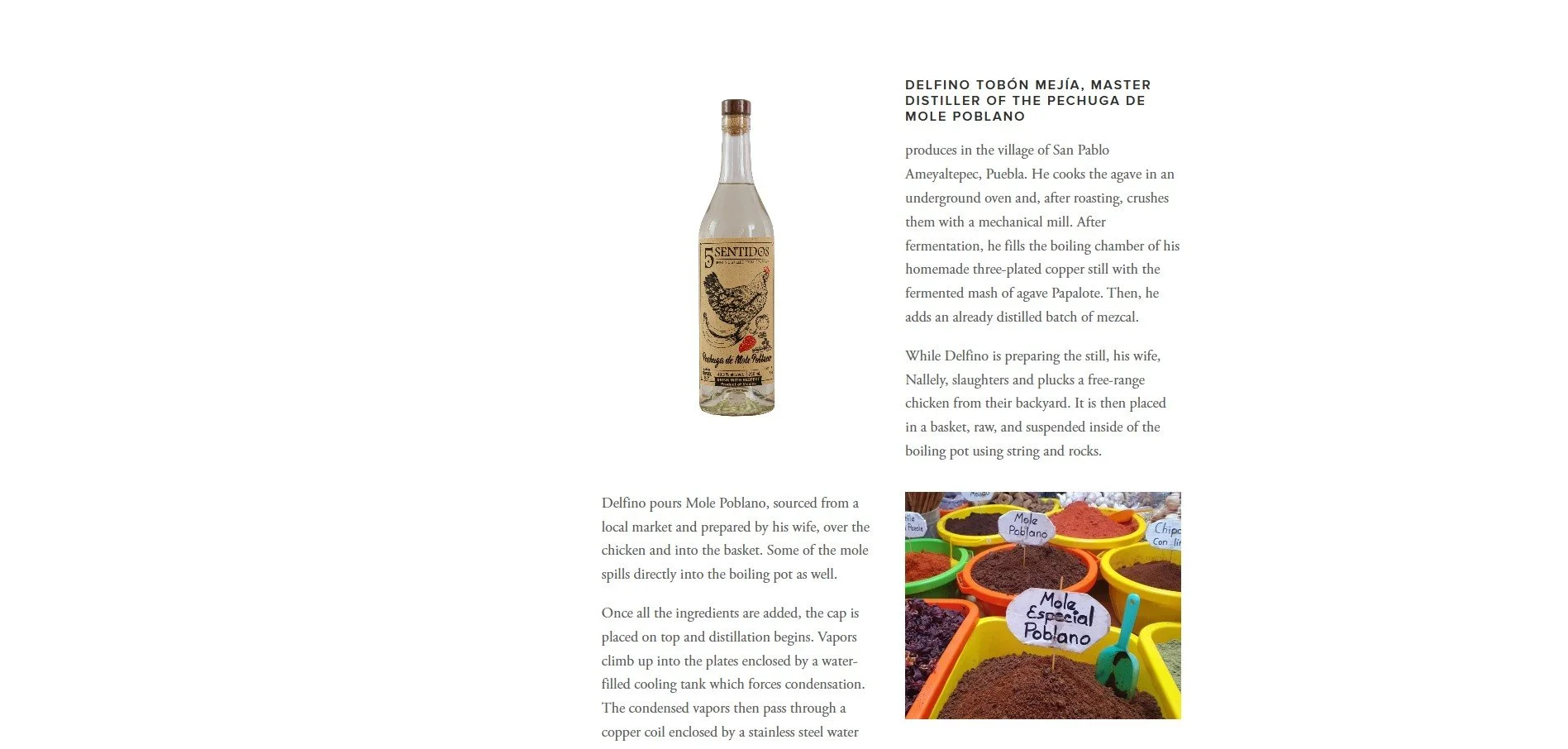
Mole: A rare and highly prized variation involves distilling the mezcal with a full mole poblano paste, integrating the chocolate and chili notes directly into the spirit.
Iberico: Modern experimentation has led to collaborations using cured Iberian ham, which imparts a distinct salinity and smokiness.
Vegetarian: Some producers skip the protein entirely, focusing solely on the "harvest" aspect. They distill with heavy loads of fruit and spices. Purists might argue this is technically a destilado con frutas, but colloquially, they often fall under the pechuga umbrella due to the production style.
How Should You Drink Pechuga de Mezcal?
Because of the complexity of the process, Pechuga is pricey. It commands a premium because it requires three distillations, leading to significant volume loss due to evaporation.
Pechuga is meant to be sipped neat. Never mix it. The complexity of the fruit, the spice, and the savory weight of the spirit disappears in a cocktail. Serve it at room temperature in a copita or a wide-mouthed glass to let the aromas of boiled fruit and clay breathe.
This is a spirit of celebration. It captures a specific moment in time, the ripeness of that year’s fruit, and the hand of the maker.
Pechuga is Perfect for Holidays
Pechuga is meant for celebrations so it’s a great time to open a bottle during Thanksgiving. Pair a turkey or chicken pechuga with your turkey and cranberry dish!
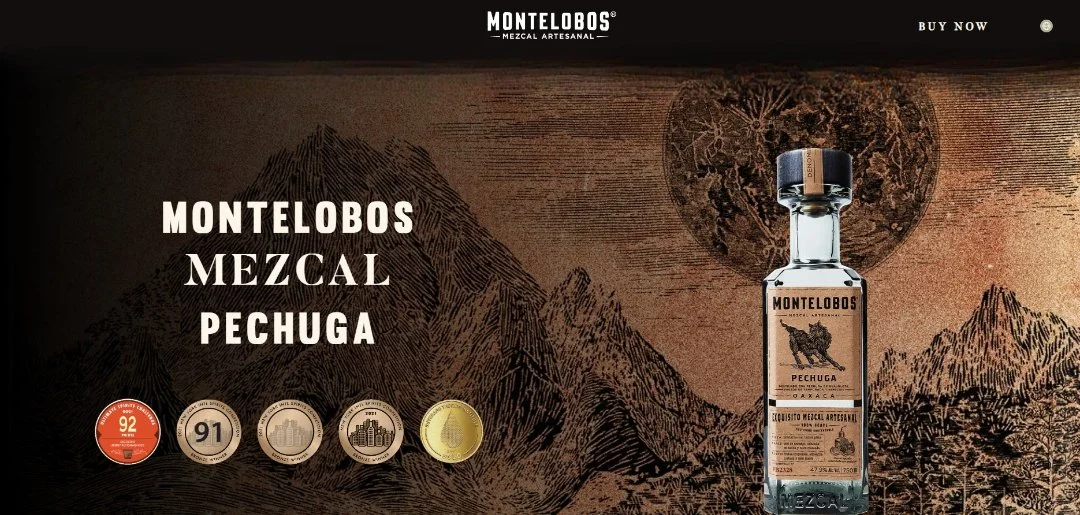
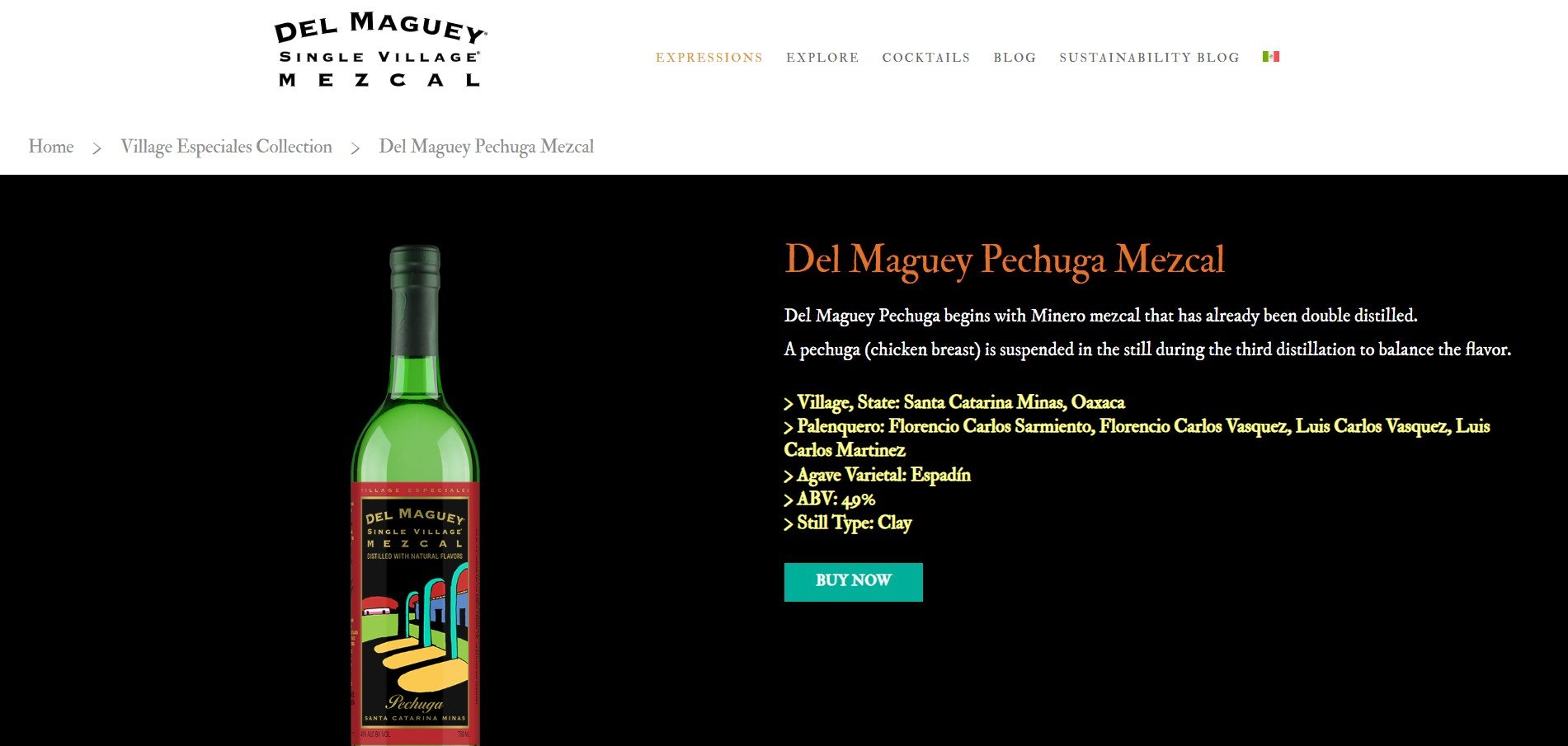
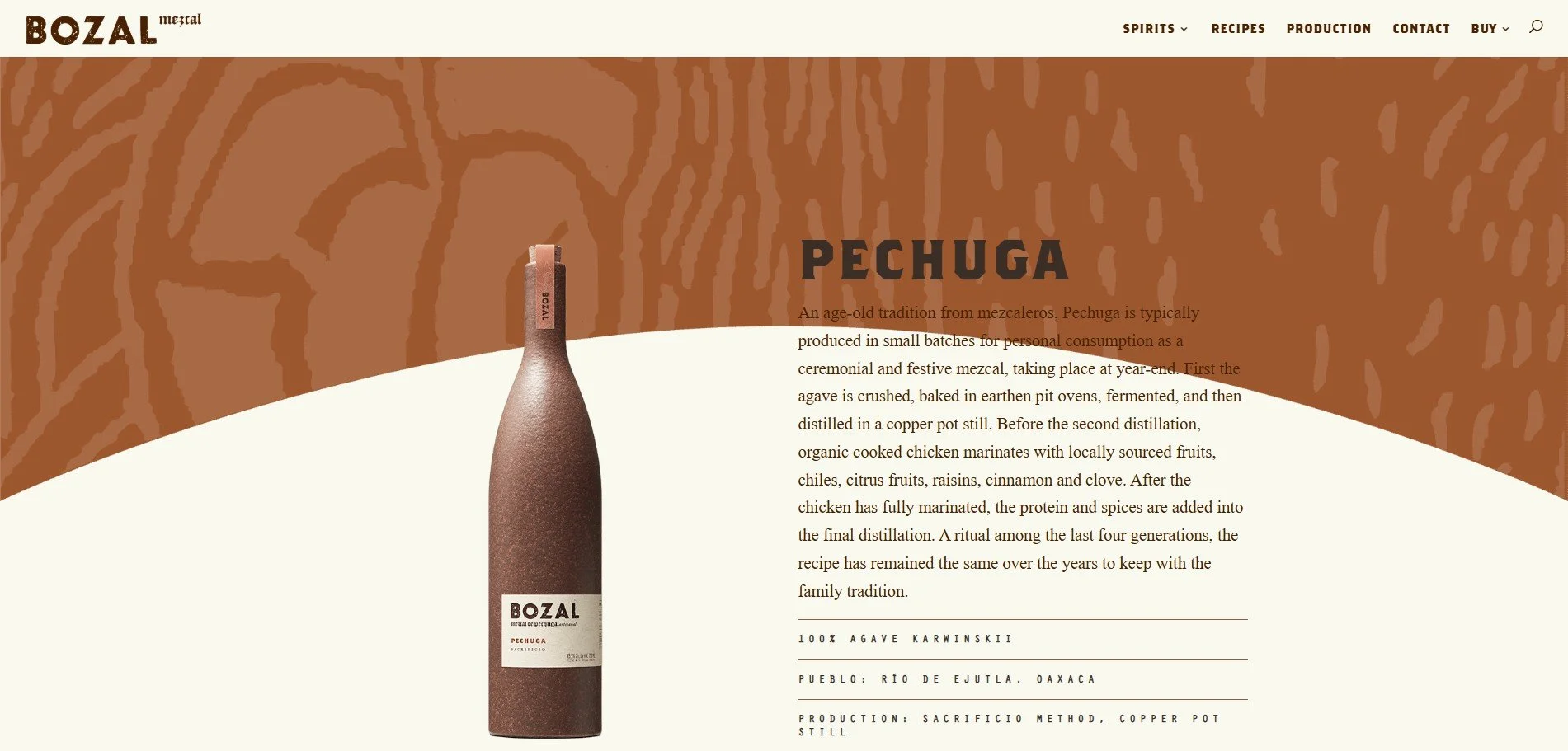
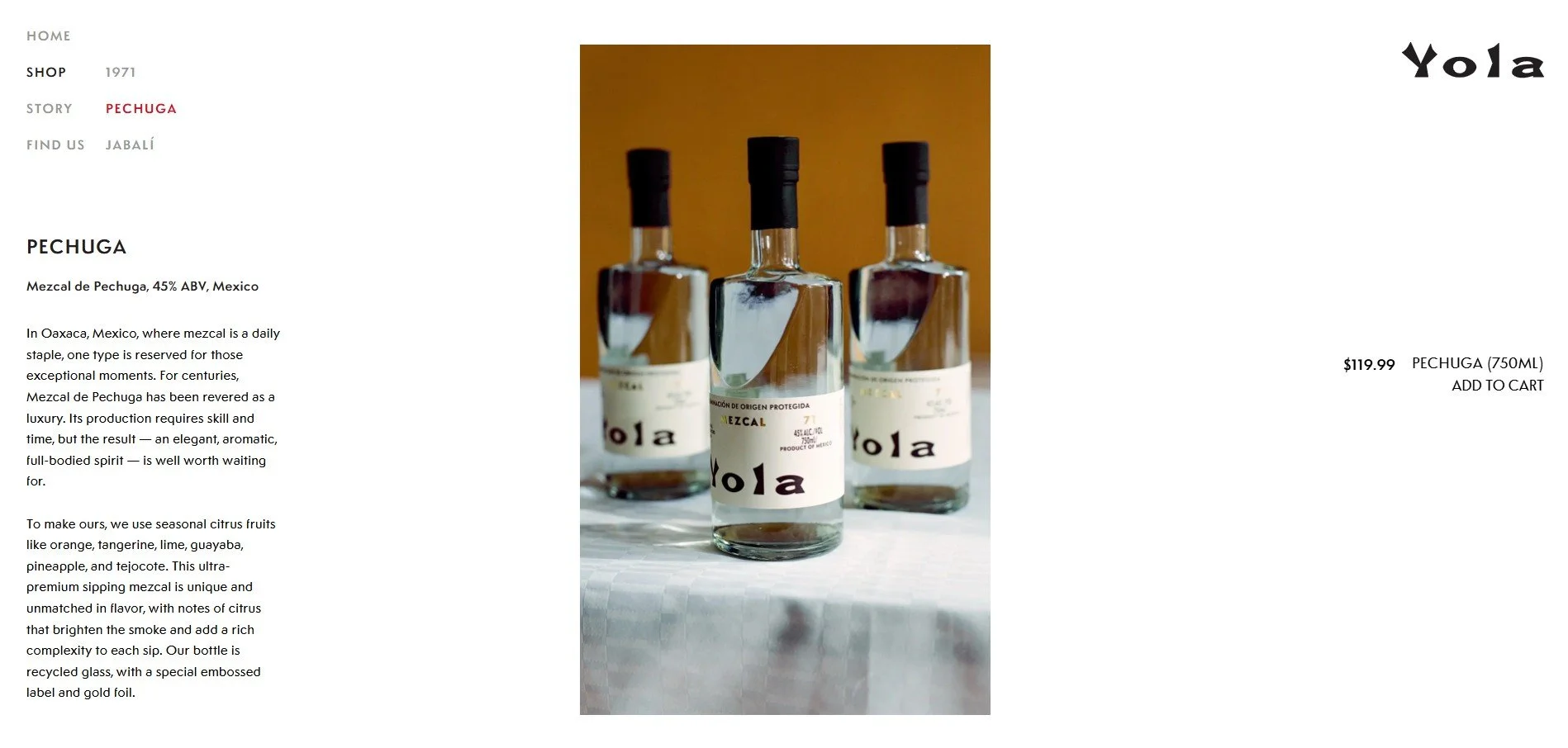
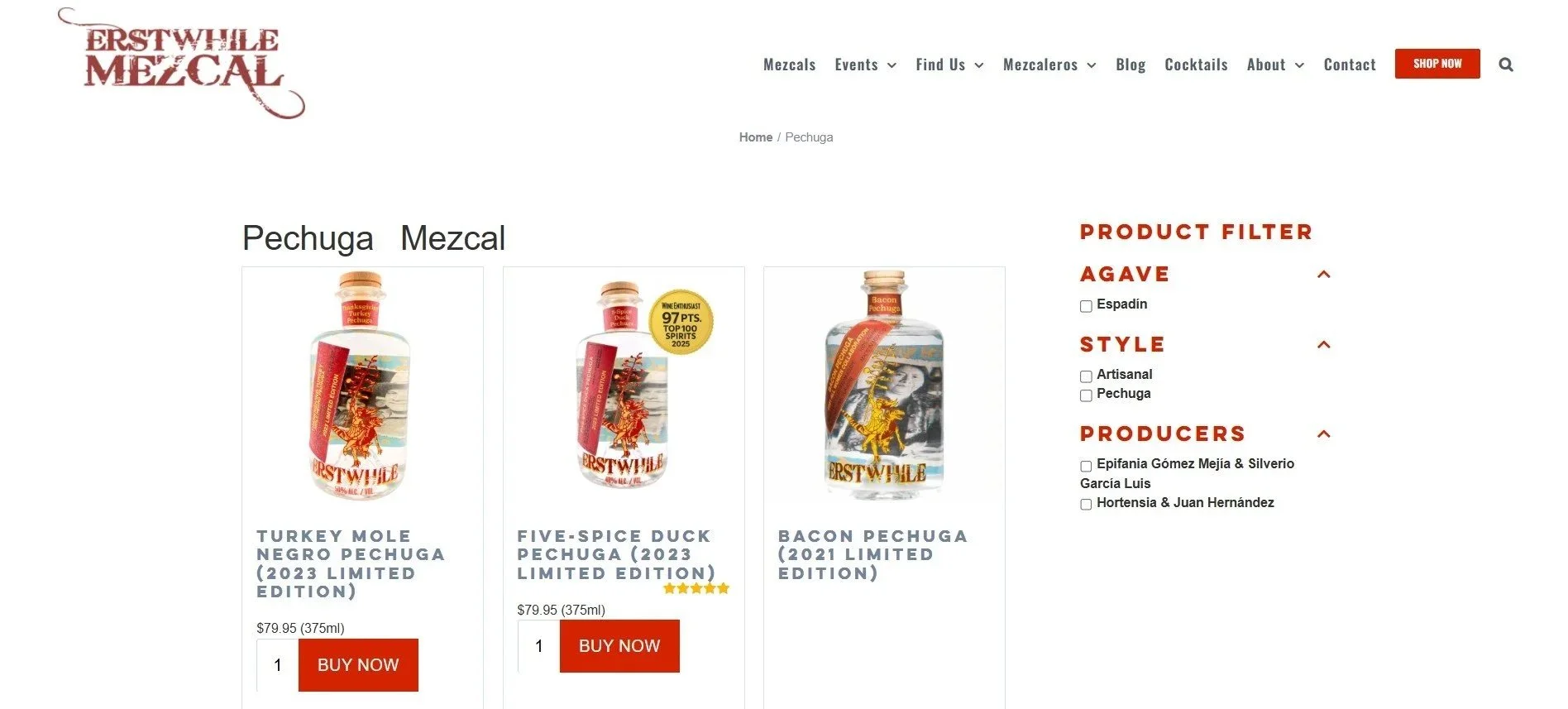
To help you find reputable brands who have a pechuga expression, we've gathered a list below: from brands such as Montelobos, Del Maguey, Bozal Mezcal, Yola, and Erstwhile Mezcal—any of which will make your Thanksgiving day something to remember.